Cryptocurrency guides
Tronlink ton wallet security is local key protection for TRX and TRON signing
Bottom line: Self-custody wallet protection for TRON assets, using local private-key storage and cold-wallet signing for TRX transactions.
Tronlink ton wallet security is a self-custody protection model for TRON users who hold TRX, TRC-10, TRC-20, and TRC-721 assets in TronLink. It centers on local private-key storage, encrypted wallet data, transaction review, cold-wallet signing, Ledger support, multisignature control, and safer DApp approval habits. The key point is direct control: the wallet signs transactions from keys the user holds, so asset safety depends on device security, seed phrase handling, and careful approval review.
Local private keys are the security boundary
The most important security detail is where the secret lives. TronLink is a decentralized self-custody wallet, which means private keys and mnemonic phrases belong to the wallet holder rather than an exchange account. The official wallet describes local private-key storage with multi-layer algorithm encryption, and that design makes the device and recovery phrase the real control points for TRX transfers, staking actions, token approvals, and NFT movement.
Tronlink ton wallet security therefore starts before the first transaction. A newly created wallet produces a recovery phrase for an HD wallet structure, and that phrase restores the same accounts later. Store it offline, keep it away from screenshots and cloud notes, and treat every imported wallet as only as secure as the place where its phrase has been exposed.
Cold signing for TRX separates storage from daily browsing
Cold-wallet signing matters because DApp browsing and asset storage carry different risk levels. TronLink supports a hot-and-cold pattern: the hot wallet prepares or initiates the action, while the colder signing environment keeps the controlling key isolated from routine website interaction. For meaningful TRX holdings, this split reduces the chance that a compromised browser session becomes a direct path to the main wallet.
A simple workflow is to keep small operational balances in a hot wallet for DApps, swaps, votes, and resource actions, then keep long-term TRX in a colder account used only for reviewed transfers. Tronlink ton wallet security is strongest when the cold account signs fewer transactions, connects to fewer websites, and receives funds without becoming the address used for every experiment.
TRON transaction review means reading permissions before signing
Every signature has a job. A plain TRX transfer moves the native TRON asset from one address to another. A TRC-20 approval grants a smart contract permission to spend a token. A staking or resource transaction changes how TRX contributes to bandwidth, energy, or voting power. A TRC-721 action moves or authorizes an NFT. TronLink places the signing step in front of these actions, and the user should read the method, asset, address, and amount before approving.
One practical caution belongs here: unlimited token allowances create wider exposure than one-time spending permissions. Tronlink ton wallet security improves when approvals are limited to the intended token and transaction, especially around new DApps, airdrop-style pages, and contracts that ask for broad permission without a clear reason.

Multisignature adds shared control for larger balances
In most cases, TronLink includes multisignature support for situations where one account should not control assets alone. A multisig setup lets multiple accounts participate in authorizing a transaction, which suits team treasuries, shared operating wallets, and family-held balances that need separation between custody and daily use. It also gives an individual a way to keep signing authority distributed across devices.
This feature changes the operational burden. Account owners need reliable access to each signing wallet, documented roles, and a process for replacing a signer before a device is lost. When configured thoughtfully, Tronlink ton wallet security moves from single-device protection toward approval governance, where a single stolen password does not equal full spending authority.
Ledger and mobile accounts fit different threat models
For context, TronLink supports browser extension and mobile app use, and it also supports importing Ledger wallets through Bluetooth on supported flows. Those options serve different habits. The extension is convenient for desktop DApps and developer testing. The mobile wallet fits transfers, account checks, and on-the-go signing. A hardware wallet keeps private-key operations on a dedicated device, which is the stronger choice for accounts that hold meaningful TRX or high-value TRC-20 tokens.
Users who split activity across account types gain cleaner boundaries. A mobile account handles small transfers. A browser account interacts with DApps. A Ledger-backed or cold account stores reserves. Tronlink ton wallet security becomes easier to manage when each account has a clear role instead of one address carrying every token, approval, staking action, and experimental connection.
TRON resources change the way fees feel
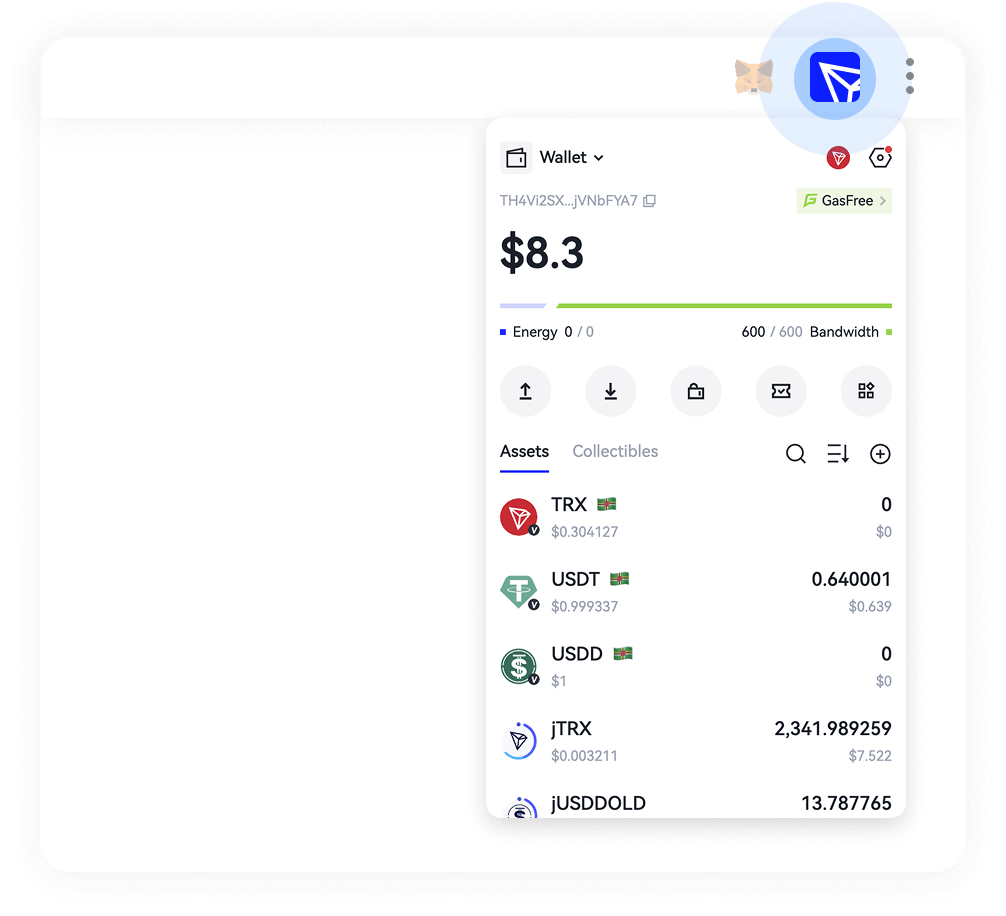
TRON uses resources such as bandwidth and energy to execute transactions and smart contract interactions. TRX holders stake or delegate resources so common actions consume those resources first, with TRX burned or spent when the account lacks enough resources for the operation. This matters for security because rushed users sign faster when fee prompts feel confusing.
Before approving a DApp transaction, check whether it consumes bandwidth, energy, or TRX. Token transfers and smart contract calls have different resource needs, and repeated failed transactions are a signal to pause rather than keep signing. Tronlink ton wallet security includes understanding this fee model well enough to tell the difference between an expected resource cost and a suspicious request.
EVM network support expands convenience and responsibility
On a practical level, TronLink began around TRON, and the extension also supports EVM networks including Ethereum, BSC, and BTTC. A multichain HD wallet structure lets one mnemonic manage accounts across those networks, which is convenient for users moving between TRON DApps and EVM applications. The security tradeoff is concentration: one recovery phrase becomes the recovery path for several network identities.
This is where labeling accounts and separating purposes helps. Keep TRON-only assets in accounts named for TRX, TRC-20, staking, or vault use. Keep EVM activity in separate accounts, even when the same wallet app displays them together. Tronlink ton wallet security benefits from clean account hygiene because a risky EVM approval should not sit beside a long-term TRON storage address.
A practical setup for safer first use
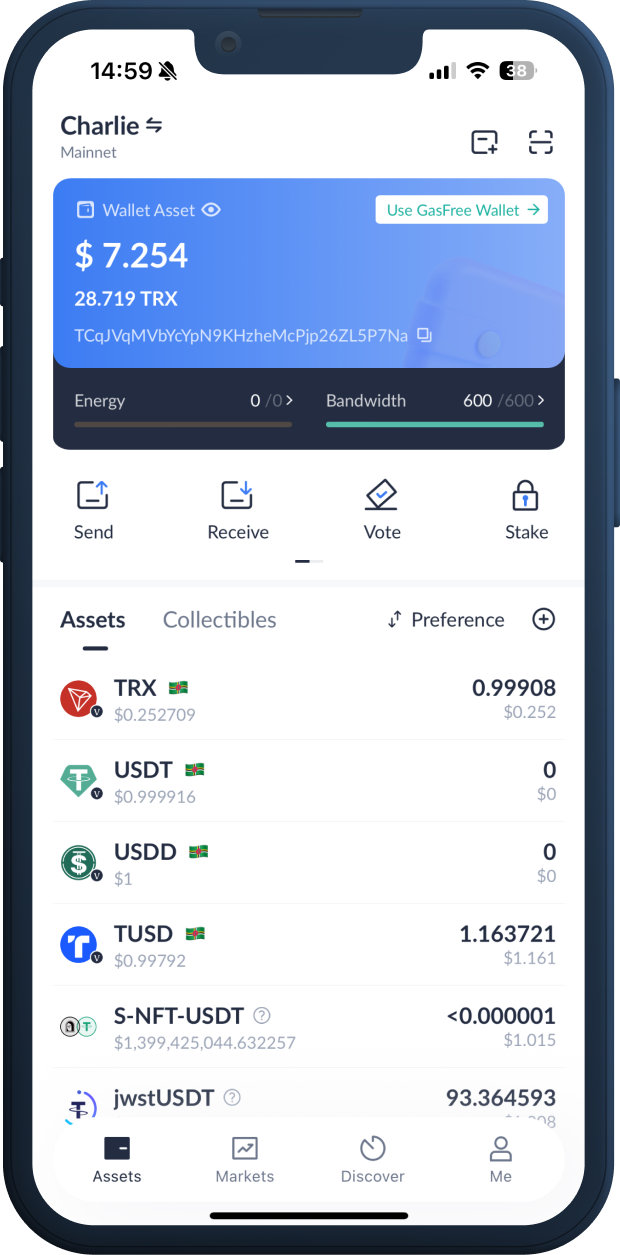
Start with the official TronLink extension or mobile app, then create a fresh HD wallet or import an existing one only on a trusted device. Write the recovery phrase offline, set a strong local password, and create at least two accounts: one for everyday TRON activity and one for storage. Add a hardware wallet or cold account once the value held in TRX or tokens justifies slower signing.
Use this setup pattern for the first week:
- Send a small TRX test transfer before moving a larger balance.
- Keep DApp browsing funds separate from long-term holdings.
- Review token approvals before confirming smart contract calls.
- Use staking and resource delegation only after checking the target address.
- Rename accounts by purpose so the signing screen is easier to understand.
After that, the routine is simple: update the app, lock devices, avoid sharing recovery words, and remove stale DApp connections when they are no longer needed. Tronlink ton wallet security works best as a repeatable custody habit rather than a one-time setup screen.
WalletConnect-style habits and DApp sessions deserve attention
DApp access is one of TronLink's main strengths. The wallet connects users to TRON applications for swaps, staking interfaces, NFT platforms, voting, and other on-chain actions. That convenience creates a steady stream of signature prompts, and the safest users slow down at the exact moment a page asks for permission.
Check the domain, account, network, token, contract action, and amount before signing. Disconnect sessions that have served their purpose. Keep a small DApp account available for unfamiliar applications so the main storage address remains quiet. In that daily rhythm, Tronlink ton wallet security is less about fear and more about making every signature intentional.
Quick answers about Tronlink ton wallet security
Which TronLink account should hold long-term TRX?
Use a separate storage account for long-term TRX, ideally one backed by a hardware wallet, cold signing setup, or multisignature arrangement. Keep that address away from routine DApp connections and use a different hot account for swaps, NFT activity, staking experiments, and approvals. This separation keeps daily browsing activity from sharing the same risk surface as reserve funds.
Can TronLink protect TRC-20 tokens from a bad approval?
TronLink shows the signing step, but protection depends on what the user authorizes. A TRC-20 approval gives a contract spending rights over a token, so broad or unlimited approvals create risk if the contract is malicious or later compromised. Safer use means approving only the intended token, checking the contract action, and avoiding unnecessary permissions from unfamiliar sites.
Does a TronLink recovery phrase restore EVM accounts too?
A multichain HD wallet phrase in TronLink restores the derived accounts connected to supported networks, including TRON and supported EVM networks such as Ethereum, BSC, and BTTC in the extension. That convenience makes the phrase highly sensitive. Anyone who gets the phrase gains a recovery route to the wallet's accounts, so it belongs offline and outside synced storage.
Fees on TRON in TronLink: why do some actions consume energy?
TRON uses bandwidth and energy resources for transfers and smart contract execution. Simple transfers and contract calls consume different resources, and accounts that lack enough resources spend TRX for the operation. In TronLink, reviewing the transaction type helps explain the cost before signing, especially for TRC-20 transfers, staking actions, and DApp contract interactions.
Recovering access after losing a phone with TronLink installed
Restore access by installing TronLink on a trusted device and importing the wallet with the correct recovery phrase or hardware wallet. The local app password on the lost phone does not replace the recovery phrase. After recovery, move funds to a fresh wallet if the lost device was unlocked, backed up poorly, or exposed to someone else.
Is Ledger support better than a normal TronLink mobile wallet for TRX?
Ledger support gives stronger key isolation because signing happens through the hardware wallet instead of relying only on the phone or browser environment. A normal mobile wallet is convenient for smaller daily balances and quick transfers. For larger TRX holdings, a Ledger-backed account or cold-signing workflow gives a clearer boundary between browsing activity and custody.