Cryptocurrency guides
Tronlink ton wallet is a TRON self-custody wallet workflow for TRX voting and resource delegation
Bottom line: Self-custody TRON wallet for managing TRX and TRC tokens, with staking support to obtain or delegate network resources.
Tronlink ton wallet is a TRON-focused self-custody wallet experience built around holding TRX, managing TRC-10, TRC-20, and TRC-721 assets, voting with staked TRX, and delegating network resources. The official TronLink product covers browser extension and mobile use, keeps private keys under user control, and gives TRON users direct access to transfers, staking, resource management, multisignature setups, Ledger imports, and DApps from one wallet interface.
TRX voting and bandwidth shape the wallet experience
The phrase Tronlink ton wallet points to TronLink, the wallet most closely associated with the TRON network rather than The Open Network. Its most distinctive job is not simply storing tokens; it translates TRON's resource model into actions a normal wallet user can understand. TRX holders stake tokens to receive voting power and network resources, then use those resources to reduce transaction friction across token transfers, smart contract interactions, and DApp activity.
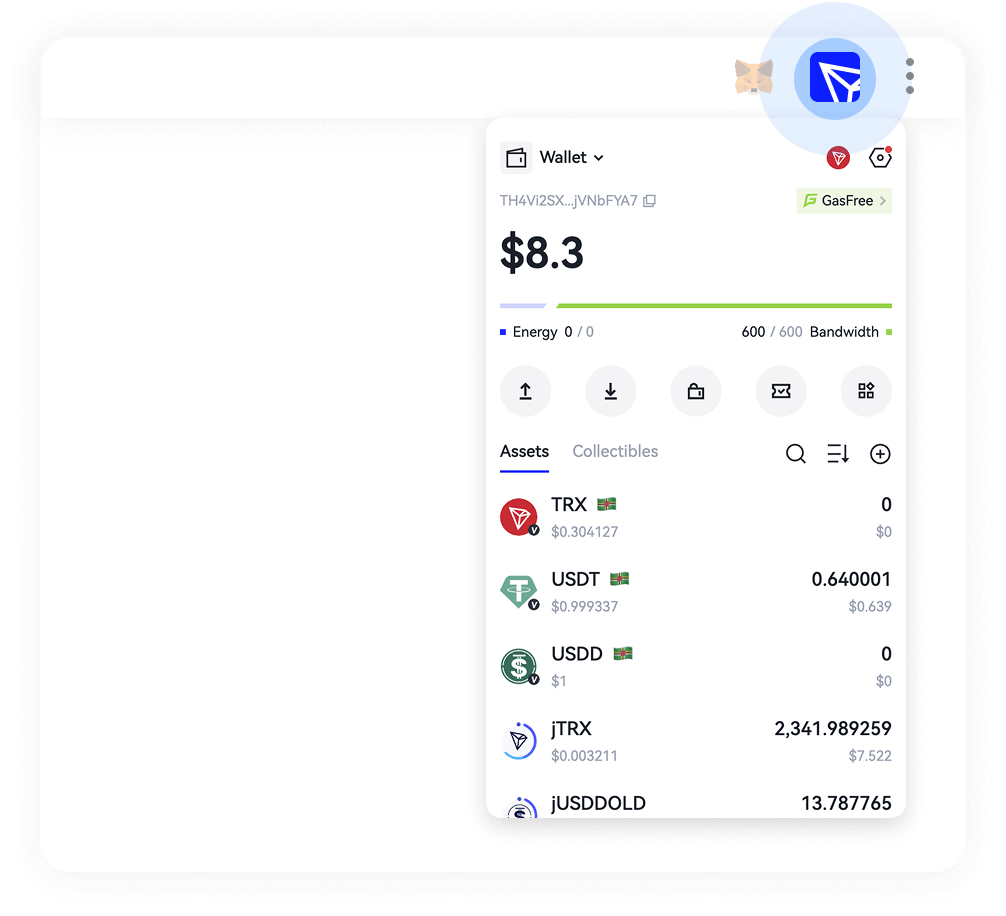
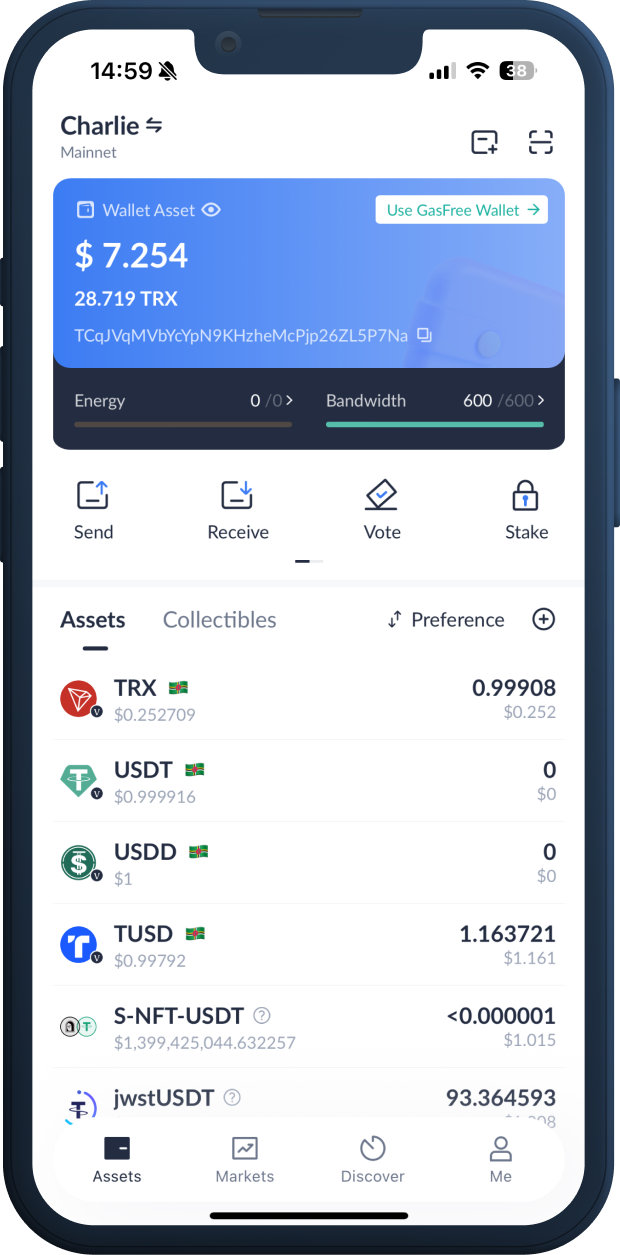
TRON uses bandwidth for basic account operations and energy for smart contract execution. When a wallet shows those resources beside balances, the user sees why one action settles smoothly while another requires more preparation. TronLink places those mechanics near transfers, voting, and DApp signing, which matters because resource shortages affect the cost and success of on-chain actions.
How staking turns TRX into voting power and resources
Staking TRX in this context means locking TRX inside the TRON staking system to obtain resources and voting rights. The wallet guides the holder through selecting the resource goal, confirming the staking action, and then using the resulting voting power to support Super Representatives. Voting is part of TRON's delegated proof-of-stake design, where elected block producers maintain the chain and receive community votes from TRX holders.
Resource delegation is the part many users search for after they already understand staking. A user with spare energy or bandwidth assigns those resources to another account while keeping ownership of the staked TRX. That makes Tronlink ton wallet useful for teams, frequent DApp users, and anyone who separates a main wallet from an operating wallet. The owner controls the stake, while another address receives the usable network capacity.
Tokens, NFTs, and DApps inside one TRON account
TRON assets use several familiar standards. TRX is the native coin. TRC-10 tokens exist at the protocol level, TRC-20 tokens follow smart contract logic similar in purpose to ERC-20 assets, and TRC-721 represents NFTs. TronLink displays these assets so a user does not have to treat every token as a separate tool or browser tab.
The wallet also connects to TRON DApps, which turns it into a signing layer for swaps, staking interfaces, games, NFT markets, and other Web3 services. A signature request deserves attention because it authorizes an on-chain action from the address. The useful habit is to read the destination, token, amount, and approval style before confirming, especially when a DApp asks for permission over a TRC-20 balance.

Setting up the extension or mobile wallet cleanly
New users normally begin by installing the browser extension or mobile app, creating a wallet, and recording the recovery phrase offline. The recovery phrase restores the wallet if the device is lost, so it belongs in physical storage rather than screenshots, cloud notes, or chat messages. Existing users import a wallet with the phrase or add supported hardware access through Ledger where available.
Once the account exists, the next steps are straightforward: receive a small amount of TRX, confirm the address format, test a low-value transfer, and then move larger balances only after the receiving address has been checked. Tronlink ton wallet also supports creating multiple wallet accounts, which helps separate savings, DApp use, and operational addresses without mixing every action into a single account history.
Where EVM network support fits in
TronLink Extension extends beyond TRON by supporting EVM networks including Ethereum, BSC, and BTTC. That multichain coverage is useful for people who hold assets across ecosystems but still want a wallet built with deep TRON support. The HD wallet structure lets one mnemonic manage addresses across these networks, while each network still has its own gas token, token standards, and contract behavior.
This is where clarity matters. TRON resources such as bandwidth and energy apply to TRON activity, while Ethereum and BSC transactions use their own gas models. Tronlink ton wallet works best when the user treats network selection as part of every transaction review. Sending a token on the wrong chain creates a different problem than paying too much for a transaction; it places the asset where the recipient or app may not expect it.
Security controls that matter before signing
Self-custody places the private key on the user's side, and TronLink adds protections around that model through local key storage, encryption, running-environment checks, and transaction review. Hot and cold wallet use is another important pattern: a hot wallet signs everyday DApp activity, while a colder setup holds larger balances with less exposure to websites and frequent approvals.
Multisignature support adds another layer for shared funds or business workflows. Instead of one private key having complete authority, multiple accounts participate in approval. That structure suits treasury-style management, family asset planning, and team operations where one compromised device should not control every token. It also requires disciplined signer management, because losing required signers delays or blocks future transactions.
Resource delegation for teams and active wallets
Resource delegation gives Tronlink ton wallet a practical role beyond personal custody. A business that sends frequent TRC-20 payments, a developer testing a TRON DApp, or a collector interacting with NFT contracts benefits from predictable energy and bandwidth. Delegating resources to an operating address keeps the main staked TRX under a primary account while the working address handles routine transactions.
- Stake TRX from the account that owns the long-term balance.
- Choose bandwidth or energy according to the actions the receiving address performs.
- Delegate resources to the active account that signs daily transactions.
- Monitor remaining resources before contract-heavy DApp sessions.
- Reclaim or redirect delegation when the operating address changes.
This setup also makes accounting easier. The stake remains visible in one account, while usage happens elsewhere. The separation does not remove the need to review signatures, but it creates a cleaner operating pattern for people who use TRON more than a few times a month.
Common costs are easier to understand after resources
TRON transactions draw from the account's available resources first. When enough bandwidth or energy is available, the transaction consumes those resources rather than charging in the same way a gas-only network does. When resources fall short, the account pays the required cost from its TRX balance. That is why staking and delegation sit so close to transfers inside a serious TRON wallet.
The exact cost of a transfer or contract call changes with the action being signed, the contract involved, and the account's resource position. A simple TRX transfer differs from a TRC-20 contract interaction. Before confirming, the wallet's transaction screen is the best place to inspect the resource impact, the amount leaving the account, and the receiving address.
Alternatives when TRON is only part of the portfolio
Users who live mostly inside TRON get the clearest fit from TronLink because it is built around TRX, TRC tokens, voting, resource gain, and TRON DApps. A portfolio centered on Ethereum L2s, Solana, or Bitcoin will need other wallet tools beside it. The choice is less about brand loyalty and more about matching the wallet's strongest mechanics to the chain where most transactions happen.
In practice, Tronlink ton wallet therefore belongs in a stack where TRON has real activity: staking TRX, sending TRC-20 tokens such as USDT on TRON, voting for Super Representatives, or interacting with TRON-based DApps. When those tasks are occasional, it serves as a focused TRON account manager. When they are frequent, its resource screens, DApp connection flow, and account controls become everyday infrastructure.
Tronlink ton wallet FAQ
What TRX balance do I need before using resource delegation?
You need enough TRX to stake for the resources you want to delegate and enough remaining TRX for ordinary account activity. The useful threshold depends on whether the receiving address performs simple transfers or smart contract calls. Energy matters more for contract-heavy TRC-20 and DApp activity, while bandwidth covers basic TRON network operations.
Can I vote for Super Representatives from a delegated-resource setup?
Voting power remains tied to the account that stakes TRX, not merely the address receiving delegated resources. If one wallet owns the staked TRX and delegates resources to another address, the staking account handles Super Representative voting. The receiving address uses the assigned bandwidth or energy for activity but does not take ownership of the underlying stake.
Recovering access if a TronLink device is lost
Access is recovered with the wallet's recovery phrase or through the connected hardware wallet path if the account was managed that way. The recovery phrase controls the wallet, so anyone who has it controls the assets. A lost phone or browser profile is manageable when the phrase was stored correctly; a lost phrase creates a much harder recovery problem.
Is a Ledger import the same as creating a new TronLink hot wallet?
No. A Ledger import uses the hardware wallet as the signing device, while TronLink acts as the interface for viewing balances and preparing transactions. Creating a new hot wallet places the signing keys in the software wallet environment. Both approaches can use TronLink, but the key custody model and day-to-day signing workflow are different.