Cryptocurrency guides
Tronlink ton wallet is a TRON resource wallet for TRX, TRC-20 tokens, and staking control
Bottom line: Self-custody TRON wallet for managing TRX and TRC-20 tokens, with resource staking to obtain or delegate bandwidth and energy.
Tronlink ton wallet is a self-custody TRON wallet experience built around TRX transfers, TRC-20 token management, TRC-721 collectibles, DApp access, and the bandwidth and energy model that powers low-friction TRON transactions. It runs through TronLink mobile apps and the browser extension, stores private keys locally, and gives users direct control over staking, voting, resource delegation, and transaction signing from the same wallet interface.
TRX, TRC-20 tokens, and resources in one wallet view
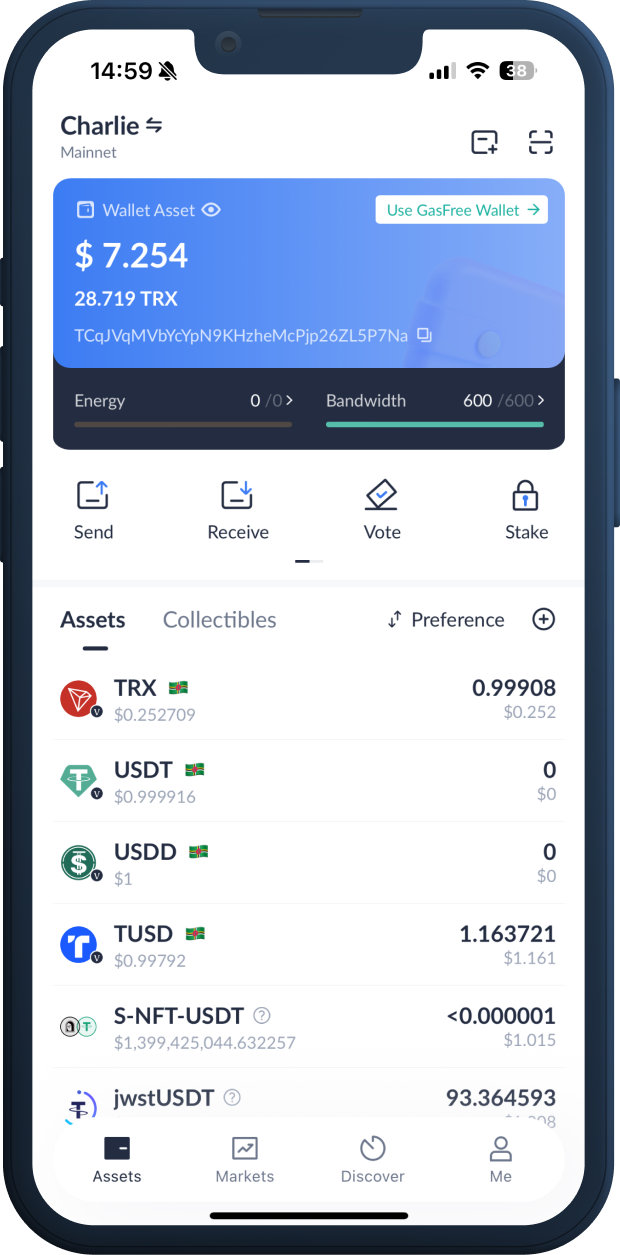
The main reason people search for this topic is the TRON resource system. A normal token wallet shows balances and send buttons; TronLink adds the network mechanics that decide whether a transaction burns TRX or consumes resources. Bandwidth covers basic transaction data, while energy is required by smart contract interactions such as USDT transfers on TRON or DeFi actions inside a DApp.
That resource layer makes Tronlink ton wallet different from a simple address viewer. The same account holds TRX for fees and staking, TRC-10 and TRC-20 assets for transfers, and TRC-721 NFTs for collectibles. When the wallet displays a transaction preview, the user sees the account that signs, the destination, the amount, and the network cost before approving it.
How staking connects to bandwidth, energy, and voting
TRON staking is practical infrastructure, not just a yield label. When TRX is staked in TronLink, the account gains voting power and obtains resources. Bandwidth helps with ordinary transfers, and energy supports contract execution. The wallet also lets a user delegate resources to another account, which matters for teams, high-volume wallets, and accounts that interact with the same DApps repeatedly.
Voting belongs to the same workflow because staked TRX creates votes for Super Representatives. TronLink places that governance action close to staking, resource gaining, and account management so a user does not need a separate dashboard for every TRON operation. The tradeoff is liquidity: staked TRX follows the network's unstaking rules, so a user should leave enough liquid TRX for immediate transfers.
Where the browser extension fits into DApp signing
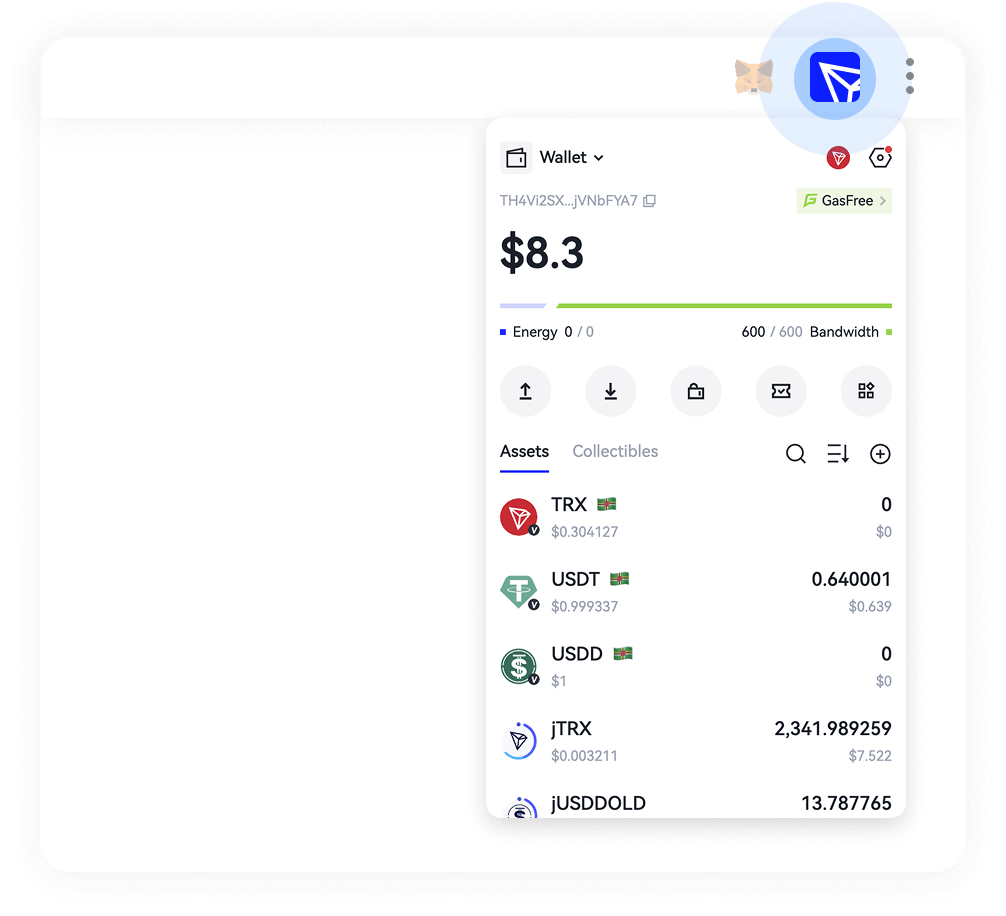
The TronLink Extension connects a TRON account to Web3 sites in the browser. A DApp asks the wallet for account access, then the wallet presents each signature request as a user approval step. That pattern is familiar to people who have used MetaMask, but the transaction details follow TRON standards such as TRX, TRC-20, TRC-10, and contract calls.
This is also where Tronlink ton wallet serves developers and power users. TronLink supports DApp integration through its wallet connection flow, while TronWeb remains a core JavaScript tool for TRON developers. The user-facing side is simpler: connect only the account you intend to use, read the approval prompt, and sign the exact operation you recognize.

Mobile app workflows for transfers and daily account checks
On mobile, the wallet is built for routine account handling: creating or importing an HD wallet, switching between accounts, scanning addresses, checking token balances, and approving on-chain transactions. It supports the common TRON path of holding TRX for network activity while using TRC-20 assets such as USDT for transfers across exchanges, payment flows, and DApps.
Tronlink ton wallet also supports a cold-wallet pattern for stronger separation. A hot wallet handles frequent signing, while a cold wallet holds assets with less exposure. The official product also mentions Ledger Live import through Bluetooth, which gives hardware-wallet users another way to bring TRON accounts into a familiar interface without treating a phone as the only security boundary.
Security controls that matter before signing
Self-custody makes wallet hygiene part of the product. TronLink stores private keys locally and uses encryption around key material, but the decisive moment is still the approval screen. Address checks, contract permissions, and token approvals deserve attention because a signed transaction settles on-chain and cannot be reversed by customer support.
- Use a fresh wallet account for testing unfamiliar DApps.
- Keep the recovery phrase offline and separate from screenshots or cloud notes.
- Confirm the network before sending tokens to an exchange deposit address.
- Review contract approvals after experimenting with DeFi or NFT marketplaces.
- Keep a small amount of TRX liquid for fees when resources run low.
TRON first, with selected EVM networks in the extension
The strongest coverage remains TRON. TronLink supports TRX, TRC-10, TRC-20, TRC-721, staking, voting, resource gaining, and DApp use across the TRON network. The extension also supports EVM networks including Ethereum, BSC, and BTTC, which gives users a multichain HD wallet structure under one mnemonic.
That multichain support changes account organization. A user can manage TRON assets and selected EVM assets in one wallet product, while each chain still has its own transaction rules, tokens, addresses, and fee model. Tronlink ton wallet should therefore be treated as a TRON-first setup with additional EVM convenience rather than a reason to blur network-specific details.
When TronLink is the right tool for TRON payments
For TRON payments, the wallet is strongest when the sender already understands the destination network. TRC-20 USDT, TRX, and other tokens need matching deposit networks on exchanges and counterparties. TronLink gives the signing surface, QR scanning, address book-style behavior, and transaction confirmation flow, while the user still chooses the token contract and recipient address.
Businesses and frequent senders benefit from the resource model because staking and delegation reduce repeated friction. A personal wallet used a few times a month simply needs enough TRX for network costs. A wallet that signs smart contract activity every day needs energy planning, resource monitoring, and clearer separation between spending accounts and storage accounts.
Alternatives for users who need a different custody model
In practice, Tronlink ton wallet makes the most sense for people who want direct TRON network access. A centralized exchange wallet suits users who prioritize account recovery and hosted custody over on-chain control. A hardware wallet setup through Ledger suits long-term holders who want a dedicated signing device. Multi-chain wallets such as Trust Wallet serve people who keep many networks in one mobile app and only need basic TRON transfers.
The difference is operational depth. TronLink is closely aligned with TRON functions such as staking resources, voting, and DApp signing, while broader wallets emphasize chain coverage. Choosing between them comes down to the task: active TRON use favors the specialized wallet; passive storage favors the custody and signing setup the user will maintain consistently.
Getting started with a clean TRON account
A sensible first setup starts with installing the official mobile app or browser extension, creating a new wallet, writing down the recovery phrase offline, and sending a small TRX test amount before moving larger balances. After that, add the TRC-20 token you plan to use, check the receive address, and confirm that the counterparty or exchange supports the TRON network for that token.
Once the account works, Tronlink ton wallet becomes a daily control panel for balances, transfers, resources, staking, DApps, and account switching. Its value is the combination of TRON-specific mechanics and familiar wallet actions: hold the keys, inspect the transaction, approve only what matches your intent, and keep enough TRX or resources available for the next operation.
Quick answers about Tronlink ton wallet
Does TronLink support USDT on the TRON network?
Yes. TronLink supports TRC-20 tokens, and USDT on TRON is one of the most common TRC-20 assets users manage in the wallet. The important detail is network matching: a TRC-20 deposit address must be used for a TRON transfer. Sending a token through the wrong network creates a recovery problem that depends on the receiving platform or wallet.
What resources do I need before sending TRC-20 tokens in TronLink?
TRC-20 transfers use TRON resources, especially energy for smart contract execution. If the account has enough staked resources, the transaction consumes those resources. If resources are short, the network charges TRX instead. Keeping some liquid TRX in the wallet prevents failed or delayed activity when bandwidth or energy is not available.
Can I delegate energy from one TronLink wallet account to another?
Yes. TRON supports resource delegation, and TronLink exposes resource management for accounts that stake TRX. Delegation is useful when one account holds staked TRX while another account performs frequent transfers or DApp actions. The owner controls the delegated resources and can adjust the setup according to the network's current staking and resource rules.
Which TronLink version should I use for browser DApps?
Use the TronLink browser extension when a TRON DApp needs wallet connection and transaction signing inside a desktop browser. The mobile app is better for QR-based transfers, account checks, and phone-first use. The extension is also the version that supports selected EVM networks including Ethereum, BSC, and BTTC alongside TRON.
Recovering access if I lose my TronLink phone or browser profile
Access is recovered with the wallet recovery phrase or the relevant private key, so that backup is the critical item. Install TronLink again, choose import, and restore the wallet with the correct phrase or key. Without that backup, a self-custody wallet has no central account reset path for recovering the private keys.
Are TRC-721 NFTs visible in TronLink?
TronLink supports TRC-721 tokens, the NFT standard used on TRON. Visibility depends on the wallet version, token metadata, and the marketplace or contract that issued the collectible. Even when an NFT display lags or looks incomplete, the token remains tied to the blockchain address, so the account history and contract record are the source of ownership.